Bar NYC Ideas for Entertaining Out-of-Town Guests
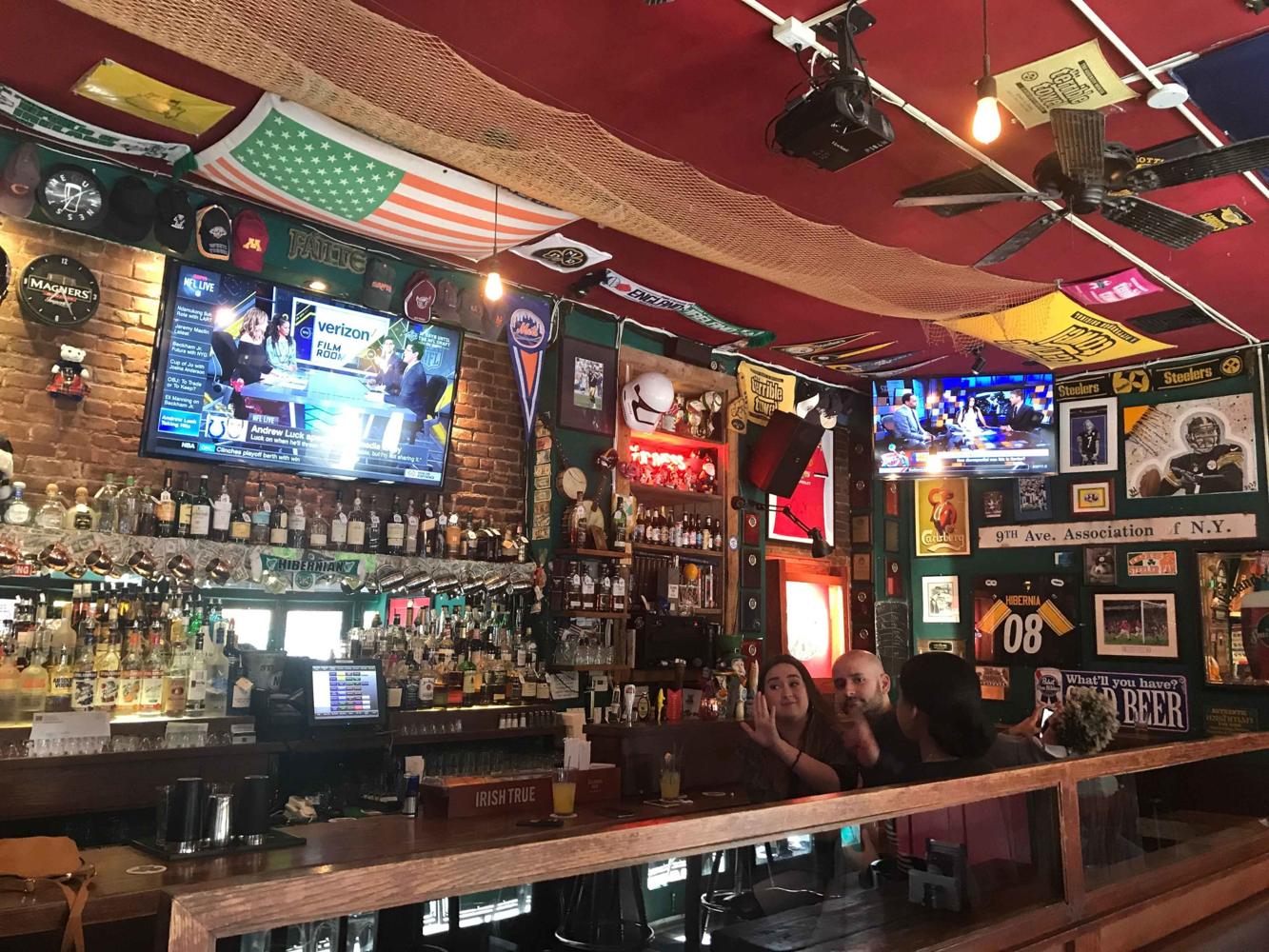
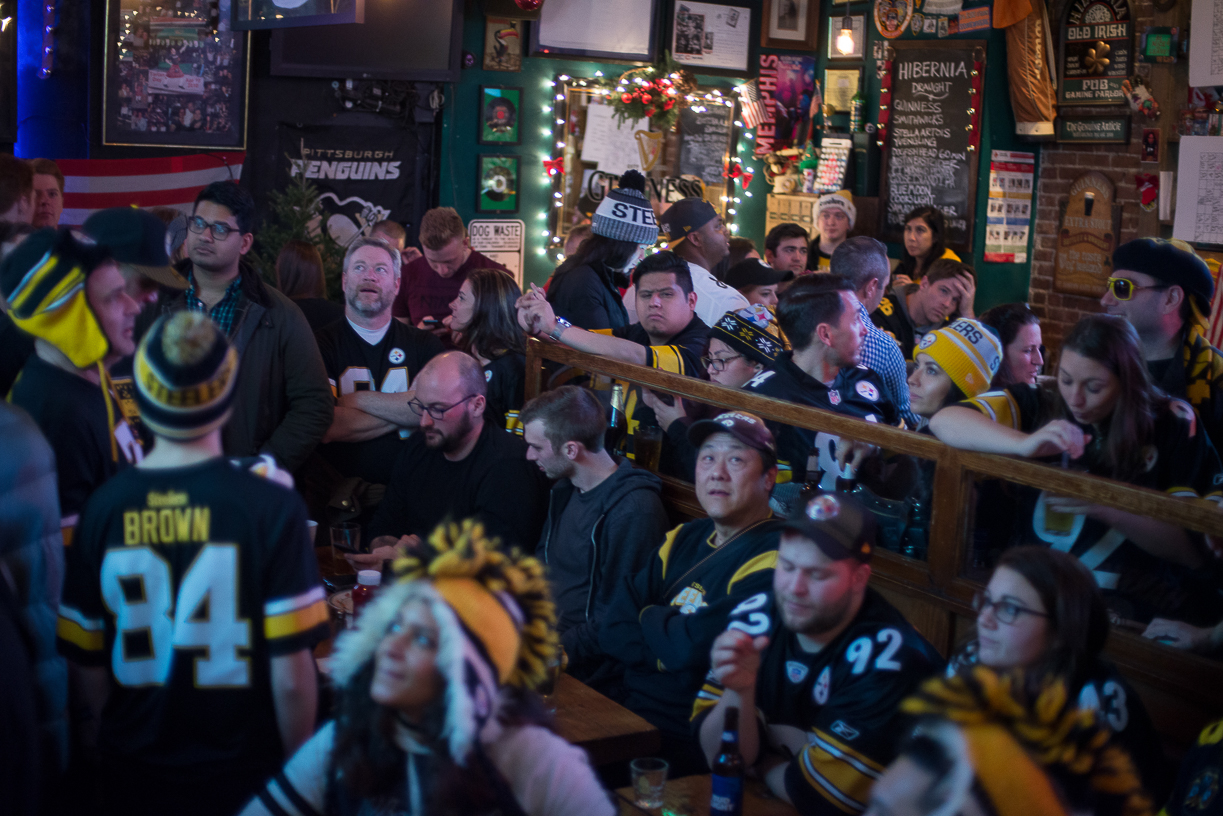
Entertaining visitors in New York sounds easy until you actually have to do it. On paper, the city does the work for you. There are rooftops with skyline views, century-old cocktail dens, neighborhood wine bars, hotel lounges, sports bars, jazz rooms, and places that somehow feel glamorous at 6 p.m. And unruly by 11. In practice, hosting out-of-town guests at a bar in NYC requires a little strategy. The right place can make your guests feel like they have seen the city, not just checked a box. The wrong one can leave everyone shouting over music, standing in a packed doorway, or spending far more than expected on drinks nobody enjoyed.
The best nights usually come from matching the bar to the people in front of you, not from chasing whatever is hottest that week. A first-time visitor from a smaller city often wants the classic New York energy, something busy, polished, and unmistakably urban. A guest who travels constantly may care less about views and more about whether the martini is cold, the lighting is flattering, and the room has some personality. Families visiting an adult child have an entirely different rhythm. They usually want somewhere that feels special but not punishingly loud, and they tend to appreciate food options more than locals remember to prioritize.
I have found that entertaining well in New York is less about showing off insider status and more about reading the room, literally and figuratively. Good hosts think about transit, timing, noise level, weather, walking tolerance, and how ambitious their guests really are after a long day. If you keep those factors in mind, Bar NYC options open up in a useful way.
Start with the kind of memory you want them to take home
When people say they want a great New York bar experience, they rarely mean the same thing. Some want glamour. Some want the skyline. Some want to feel like they discovered a neighborhood spot that tourists never find. Others simply want one excellent Manhattan and a place to sit.
That distinction matters. If your guests are in town for the first time and have spent the day in Midtown, taking them to a sleek rooftop or a grand hotel bar can work beautifully. They are already primed for the cinematic version of New York. There is no reason to fight that instinct. A strong view, good service, and a room that feels expensive, even if you are just ordering one round, often lands better than a deeply “authentic” basement cocktail bar that requires a downtown train, a wait, and a tolerance for dim menus.
On the other hand, repeat visitors often respond more enthusiastically to places with a point of view. That might be an East Village bar with serious cocktails and a compact room, a Brooklyn wine bar where the soundtrack is low enough to talk, or a neighborhood tavern in the West Village where the drinks are not especially inventive but the atmosphere is exactly right. Guests who have already seen Times Square do not need another angle on Times Square. They need something that feels chosen.
The city gives you both kinds of evenings. The skill is knowing which one your guests will remember fondly.
Why neighborhood matters more than the bar itself
Many hosting mistakes happen before anyone orders. You choose a bar that sounds perfect, then realize it is forty-five minutes from dinner, impossible to reach in heels, or three subway transfers from the hotel. A strong Bar NYC plan respects geography.
Midtown gets mocked by locals, but it can be practical for visitors staying near major hotels, Broadway, or corporate offices. There are polished cocktail bars and dependable hotel lounges where service is professional and seating is easier to secure than in trendier districts. If your guests are already tired, or if you are meeting after a show, Midtown convenience can be the difference between a pleasant nightcap and a logistical slog.
Downtown, especially the West Village, SoHo, Nolita, and the Lower East Side, offers more atmosphere per block. The streets feel more cinematic, and bar-hopping makes sense because the neighborhoods are walkable and lively. The trade-off is crowding. Reservations matter more. Noise rises quickly after 8 p.m. Many great spots have small footprints, which is charming until you arrive with five people and one older relative who needs a proper chair.
Brooklyn, particularly Williamsburg, Greenpoint, and parts of Fort Greene and Cobble Hill, is often ideal for guests who want a less obvious version of New York. These neighborhoods can feel more relaxed without being sleepy. Drinks can still be expensive, but the pace is often easier. The downside is psychological more than practical. Some visitors hear “Brooklyn” and assume they are missing Manhattan. If that is your guest, do not force the issue. If they are open-minded, a well-chosen Brooklyn bar can be the thing they talk about most.
The best bar style for each kind of guest
Not all visitors want the same experience, and hosts often overestimate people’s appetite for “cool.” A bar that impresses your industry friends may not suit your aunt and uncle from Denver, even if they are adventurous. New York punishes the one-size-fits-all itinerary.
For parents, in-laws, and older relatives, comfort wins. That means solid seating, clear lighting, decent acoustics, and staff who do not rush you. Hotel bars are underrated here. They often have a sense of occasion without the friction. Guests can order familiar drinks, split snacks, and enjoy the room without having to decode a menu that reads like a chemistry set.
For college friends or energetic groups, a livelier setting makes sense, but there is still a judgment call. If the music is so loud that people peel off into side conversations, the group experience evaporates. A bustling bar with movement and soundtrack is one thing. A room where the bartender has to repeat every order three times is another. If you want energy, look for places that get animated rather than chaotic.
For business visitors or clients, polish matters more than novelty. A sharp cocktail program, discreet service, and a room where you can hear each other create trust. It does not need to be stiff. It does need to feel intentional. If money is part of the equation, be especially careful with wine lists and premium pours. Bills climb quickly in New York, and guests notice when the host seems surprised.
For couples visiting the city, romance often means intimacy rather than spectacle. A moody wine bar, a small jazz spot with cocktails, or a rooftop at sunset usually works better than a hyper-social scene. They want to feel like they have stepped into a New York evening, not a queue.
The view question, which people often get wrong
Rooftops are tempting because they seem like guaranteed crowd-pleasers. Sometimes they are. Sometimes they are all elevator, line, and photo-op, with mediocre drinks and little soul. The truth is that out-of-town guests do not always need the highest view. They need a memorable one.
A skyline-facing terrace at the right hour can absolutely be worth it, especially in spring and early fall. Sunset remains the sweet spot because guests get daylight, city lights, and that particular New York transition when buildings start to glow. If you can reserve a table or arrive early enough to avoid the crush, it often feels worth the premium.
But I would not default to rooftops in bad weather, on peak summer weekends, or with groups that include anyone uncomfortable with crowds. In those cases, a classic upper-floor lounge or a bar with big windows can deliver a similar emotional effect without the performance of it. Guests still see the city. You still get a special setting. Everyone keeps their balance and their hearing.
There is also a common hosting mistake here. People save the “best” spot for late in the evening, after dinner and several drinks. By then, lines are longer, patience is shorter, and the city has become more tiring than magical. If the view is the point, make it the first or second move, not the tired final one.
A few foolproof formats for the night
You do not need a complicated itinerary, but structure helps. Most successful evenings follow a rhythm. There is a start that feels easy, a middle with the strongest atmosphere, and an ending that does not ask too much of people.
Here are formats that consistently work well:
- Early cocktails near the hotel, dinner nearby, one standout bar afterward.
- A neighborhood stroll with one drink stop, dinner, then a final place for dessert cocktails or wine.
- Sunset rooftop first, then a quieter second bar where conversation can actually happen.
- One excellent hotel bar nightcap after theater or a major event, especially for mixed-age groups.
- A Brooklyn evening with dinner and one bar, only if the guests are excited by the neighborhood itself.
That last point matters. Do not build a multi-stop adventure unless your guests have the stamina for it. New York walking distances can sound modest and feel long after a full day. A two-bar night often outperforms a four-bar crawl.
Reservations, waits, and the hidden value of certainty
Locals tolerate uncertainty more than guests should have to. When you are hosting, there is real value in knowing a table exists somewhere with your name on it. That does not mean every stop needs a reservation. It does mean at least one anchor point should be secure.
For larger groups, especially five or more, a reservation can spare you the worst version of New York nightlife, which is hovering. Nobody likes guarding a tiny ledge with a drink while pretending this was part of the plan. Some bars will hold a section for a minimum spend. Sometimes that is worth it, especially when entertaining clients or celebrating. Sometimes it is not, particularly if your group drinks lightly. Read the fine print and ask practical questions. Is the table seated or standing? Is there a time limit? Is gratuity included? Is food required? These details matter more than the glamorous photos online.
For smaller groups, timing can replace reservations. Meeting at 5:30 or 6 p.m. Solves many problems. You walk into better bars without stress, get the best seats, and can decide whether to stay or move on. Visitors are usually up earlier than locals anyway, so an earlier drink often feels natural to them.
A host once told me that their favorite trick for entertaining in New York was to choose bars that get better before the room fills up. That is smart. The first martini tastes better when nobody is jostling your shoulder.
What to order when you are trying to make the night feel easy
Guests appreciate confidence, but they do not need a lecture on mezcal or amaro. Ordering well at a bar in NYC is mostly about reducing friction. If the cocktail list is strong and the room is known for drinks, steer people toward one or two house specialties. If the bar is more about setting than mixology, classic orders are safer. A rushed Negroni in a rooftop crowd is often Bar NYC better than a complicated signature drink that takes too long and disappoints.
Food matters more than many hosts think. Even a plate of fries, olives, oysters, or a charcuterie board can change the entire evening. Visitors often drink on less food than they normally would because they have been sightseeing all day. A little bar food keeps the mood steady and the second stop more enjoyable.
Wine bars are particularly useful for this reason. They can absorb different energy levels. One person can have a serious glass of Burgundy, another can order sparkling rosé, and someone else can snack their way through the evening. They are forgiving spaces for mixed groups. The downside is that some visitors equate “wine bar” with subdued and may be hoping for more visual New York drama. If that is the case, choose one with a strong room, street-facing windows, or a lively dining crowd.
Budget without making the night feel cheap
New York prices can surprise visitors, even affluent ones. A cocktail in many central neighborhoods can easily land in the low to mid twenties before tax and tip. Beer and wine are not exactly bargains either. If you are hosting, it helps to shape the spending quietly.
One tactic is to start somewhere special but keep the order restrained. A round of strong cocktails in a beautiful room feels generous. Following it with dinner elsewhere or ending after one round can be smarter than settling into a place where the bill snowballs. Another tactic is to choose a neighborhood bar with fairer pricing for the second stop, once the “wow” factor has been delivered.
It also helps to know your group’s habits. Some guests sip slowly and enjoy one excellent drink. Others order impulsively when the menu feels celebratory. Neither is wrong. But if you are responsible for the tab, structure the night accordingly. There is a big difference between entertaining two moderate drinkers and hosting six people who treat cocktails like a tasting menu.
No one remembers the exact amount you spent. They remember whether the evening felt smooth, considered, and generous.
Seasonal judgment separates a good plan from a bad one
The city changes dramatically by season, and bar plans should change with it. Summer rooftop culture looks glamorous in photos, but a humid July evening with a crowded elevator line can test everyone’s patience. Winter transforms the equation in the opposite direction. Suddenly, a warm wood-paneled tavern or velvet-lined lounge feels far more New York than an exposed terrace under heat lamps.
Spring and fall are the easiest seasons for entertaining because guests can comfortably walk between stops. The city itself does some hosting for you. In deep winter, reduce transitions. Pick one neighborhood and stay there. In peak summer, prioritize air conditioning, shade, and direct transit over fantasy.
Rain is another factor that locals underestimate. Visitors do not always have the right shoes, and even a six-minute walk can feel miserable when dodging puddles and traffic spray. On wet nights, hotel bars, grand lobbies, and places near major subway entrances become much more attractive. There is nothing unromantic about practicality when your guests are soaked.
Classic New York versus local New York
There is a persistent tension when hosting. Do you show guests what they expect, or do you show them what you personally love? The best answer is usually some blend of both.
Classic New York bars still work because they carry atmosphere that people recognize instantly. A historic room, white-jacketed service, polished brass, a pianist in the corner, or that unmistakable hum of old Manhattan still has power. Guests often want at least one moment like that. They came to New York, after all.
But if every stop is polished and obvious, the evening can feel generic. This is where one local move helps. Maybe it is a neighborhood wine bar after the big-ticket rooftop. Maybe it is a tiny cocktail bar on a side street where the bartender actually chats. Maybe it is an unfussy beer bar with excellent burgers at the end of the night. That contrast gives texture to the evening. It suggests that New York is not just spectacle, but habit, taste, and discovery.
A strong host knows when to lean into myth and when to undercut it with something more personal.
Small details that guests notice, even if they never say so
The best hosts handle logistics before they become visible. They know how long the cab will really take. They send the exact entrance if the bar is inside a hotel or hard to find. They check dress codes, because some visitors do not expect that certain rooftops or lounges still enforce them. They think about whether someone in the group needs a seat with a back, a quieter corner, or easier access to a restroom. These are not glamorous decisions, but they shape the memory of the night.
A short mental check before you choose the bar can save you later:
- Can the group actually talk there?
- Is the trip there reasonable after dinner or sightseeing?
- Will there likely be seating, either reserved or by timing?
- Does the menu fit the group’s budget and taste?
- If this place falls through, do I know the backup nearby?
The backup plan is especially important in New York. Bars close for private events, quoted waits expand, and weather changes everything. Guests do Bar NYC not mind a pivot if it feels confident. They mind uncertainty when nobody seems to know what comes next.
The most reliable way to impress is to make the city feel easy
Out-of-town guests are often carrying more than a coat and a phone. They are navigating an unfamiliar pace, crowded sidewalks, subway confusion, and the low-level pressure to maximize every minute in New York. A good evening at a bar should release that pressure, not add to it.
That is why the best Bar NYC ideas for entertaining guests are rarely the most complicated. They are the ones where the room suits the people, the route makes sense, the drinks are good enough to trust, and the night leaves space for actual enjoyment. Guests do not need you to prove how much you know. They need you to edit the city on their behalf.
When that goes well, the bar becomes more than a stop. It becomes the place where they finally exhale, look around, and feel that they are really here. That is the moment people remember, and it has less to do with trendiness than with good judgment.
Hibernia Bar
401 W 50th St
New York, NY 10019
(212) 969-9703
FAQ About Bar NYC
What is there to do in Hell's Kitchen, NYC?
Explore the restaurants and bars along Ninth Avenue, catch a Broadway show nearby, or visit the Intrepid Museum on the Hudson River. Hibernia Bar is at West 50th Street and Ninth Avenue, a convenient stop before or after a show.
What are some bars in New York City that serve good food?
Hibernia Bar in Hell's Kitchen serves wings, burgers, fish and chips, and shepherd's pie. Its kitchen lists a 2 a.m. closing time, which makes it an option for dinner after a show or a game.
How far is Hell's Kitchen from Times Square?
Hell's Kitchen is just west of Times Square. From Broadway and West 45th Street, Hibernia Bar is roughly 0.6 miles away, or about a 12-minute walk depending on crowds.
Ends · RIVERIVVR699